
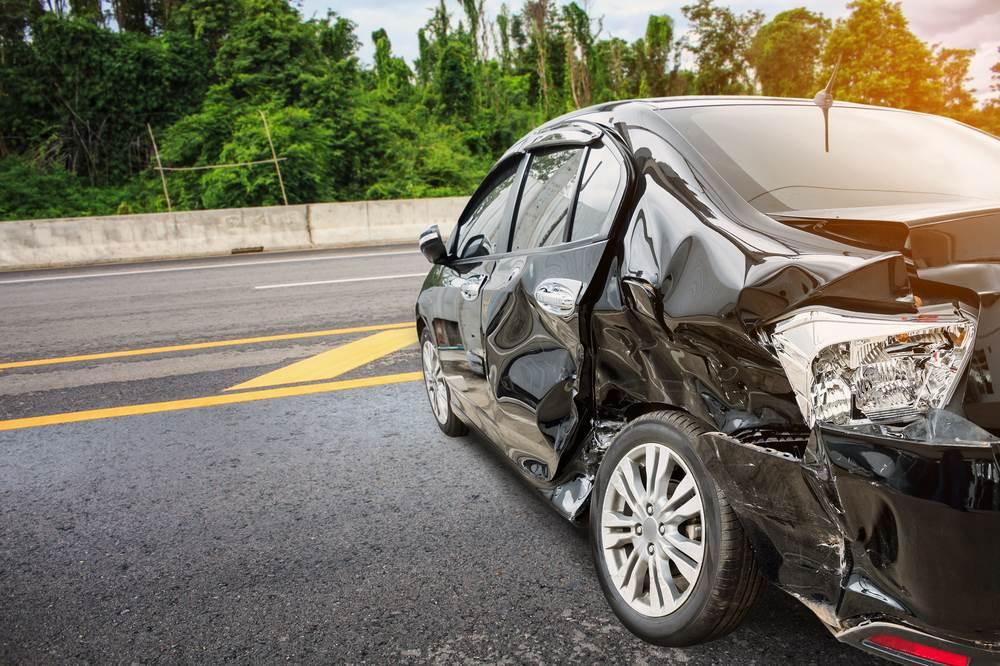
If you were hit by a drunk driver recently, you are probably dealing with a lot at once: injuries, insurance calls, time away from work, and questions you never expected to be asking. This guide is here to help you figure out what to do next. You do not have to make every decision today. You just need to know that what happened was not your fault, and that you have rights under Georgia law.
This blog walks you through what Georgia law says about your situation, what a drunk driving accident lawyer can actually do for you, and how to protect your ability to recover what you have lost.
What Should I Do After Being Hit By A Drunk Driver In Georgia?
The first priority after being hit by a drunk driver is safety and medical care, followed by calling 911 and documenting everything you can at the scene. Do not confront the other driver, and do not say anything that could be taken as an admission of fault.
Here is the order that matters:
- Check yourself and your passengers for injuries. If anyone is seriously hurt, stay still and wait for paramedics.
- Call 911. In Georgia, you are legally required to report any crash involving injury, death, or significant property damage. A police officer at the scene is also the person most likely to identify the other driver as impaired.
- Move to safety if you can do so without risking further injury. Get out of active traffic lanes if the car is drivable and it is safe to do so.
- Do not engage with the drunk driver. Impaired drivers can be unpredictable or aggressive. Stay in your vehicle or a safe distance away until police arrive.
- Document the scene. Photos of vehicle damage, license plates, the road, skid marks, broken glass, and any visible injuries. If you see open containers, bottles, or smell alcohol, note it.
- Tell the officer what you observed. Slurred speech, bloodshot eyes, the smell of alcohol, erratic driving before the crash, and stumbling. These are the details that help law enforcement make the call on field sobriety and breath testing.
- Get medical attention, even if you feel “okay.” Adrenaline hides injuries. Concussions, internal bleeding, whiplash, and soft tissue damage often show up hours or days later. A medical record created right after the crash is also one of the most important pieces of evidence in your case.
- Exchange information with the other driver only through the officer if possible. Let law enforcement handle it.
- Call your insurance company to report the crash, but keep the conversation brief and factual. Do not give a recorded statement to the other driver’s insurer without first talking to a drunk driving accident lawyer.
For a free legal consultation, call (404) 888-8888
Can You Sue A Drunk Driver In Georgia?
Yes, you can sue a drunk driver in Georgia for the injuries and losses they caused, and their criminal case does not replace or block your civil claim. The two tracks run separately: the state prosecutes the DUI, and you pursue compensation through a personal injury claim.
This is one of the most common points of confusion after a DUI crash. Many people assume that if the driver gets charged, convicted, or jailed, the legal system has “handled it.” It has not, at least not in a way that helps you. A criminal conviction may result in fines paid to the state, probation, or jail time, but none of that money goes to the person whose body and livelihood were damaged. That is what a civil personal injury claim is for.
In fact, a DUI conviction can actually strengthen your civil case. Under a legal concept called negligence per se, violating a safety statute, such as Georgia’s DUI law (Georgia Code Section 40-6-391), is treated as prima facie evidence of negligence. In plain terms, you do not have to argue whether the driver was being careful enough. The law already says they were not, because drunk driving is illegal. Your case shifts from proving fault to proving how much harm was done.
What Compensation Can You Recover After Being Hit By A Drunk Driver?
If you were hit by a drunk driver in Georgia, you may be entitled to compensation for medical bills, lost wages, pain and suffering, property damage, and in many cases, punitive damages designed to punish the drunk driver’s reckless conduct.
Here is what that typically looks like in a DUI case:
- Medical expenses – Emergency room visits, surgeries, hospital stays, physical therapy, prescription medications, follow-up care, and future medical treatment you will need as a result of the crash.
- Lost wages and lost earning capacity – Income you missed while recovering, and the reduction in future earnings if your injuries limit your ability to work long-term.
- Pain and suffering – Compensation for the physical pain, emotional distress, anxiety, sleep disruption, and loss of enjoyment of life that follow a serious injury.
- Property damage – Repair or replacement of your vehicle and any other property destroyed in the crash.
- Wrongful death damages – If a family member was killed, the surviving family may recover for funeral expenses, lost financial support, and the full value of the life lost.
- Punitive damages – This is where DUI cases differ sharply from regular car accident claims.
The Punitive Damages Exception That Matters
Georgia generally caps punitive damages at $250,000. But under Georgia Code Section 51-12-5.1, that cap does not apply when the person who caused your injuries was under the influence of alcohol or drugs. In other words: a jury can award unlimited punitive damages against a drunk driver, because the law treats impaired driving as conscious indifference to the consequences.
This matters enormously. In serious injury cases, punitive damages can represent a significant portion of the total recovery, and they often make the difference between a settlement that covers your bills and one that actually accounts for what was taken from you.
Complete a Free Case Evaluation form now
What Is Dram Shop Liability In Georgia?
Dram shop liability is a legal rule that allows you to sue a bar, restaurant, liquor store, or private host who served alcohol to someone they knew was visibly intoxicated or underage, knowing that person would soon be driving. If a business or host over-served the driver who hit you, they may share legal responsibility alongside the drunk driver.
The term “dram shop” goes back to old taverns that sold alcohol by the dram, a small unit of measure. The modern version of the law recognizes that crashes caused by drunk drivers often do not start with the driver alone. Someone kept pouring.
Georgia’s dram shop statute is O.C.G.A. § 51-1-40, and it generally requires that three things be true:
- The server, seller, or host provided alcohol to someone who was noticeably intoxicated or under 21.
- The server knew the person was intoxicated or underage.
- The server knew, or should have known, that the person would soon be driving a motor vehicle.
If all three are met, the business or individual who provided the alcohol can share liability alongside the drunk driver. That matters in cases where the driver’s insurance is not enough to cover your losses, which is common in serious injury crashes.
Who Can Be Held Liable Under Dram Shop Law?
Typical defendants in a Georgia dram shop claim include:
- Bars and restaurants that continued serving a visibly drunk patron
- Liquor stores and convenience stores that sold to someone obviously impaired or underage
- Nightclubs with promotions that encouraged overconsumption
- Private individuals who hosted a party and served alcohol to an underage guest or a visibly drunk adult they knew was about to drive home
Not every case qualifies. Georgia courts have repeatedly ruled that the server must have actual knowledge that the person would be driving. A bar is not automatically liable just because a patron got drunk and then made their own decision to get behind the wheel later. Building a dram shop case requires investigation: surveillance footage, receipts, witness statements, drink tabs, and sometimes expert testimony.
This is why having a drunk driving accident lawyer involved early matters. Evidence disappears. Cameras overwrite footage. Witnesses move or forget. The sooner someone starts preserving the record, the stronger your dram shop claim becomes.
Click to contact our personal injury lawyers today
What If The Drunk Driver Does Not Have Enough Insurance?
If the drunk driver’s insurance is not enough to cover your injuries, you may still be able to recover compensation through your own uninsured or underinsured motorist (UM/UIM) coverage, a dram shop claim against the bar that served them, or in some cases, a claim against the driver’s employer.
This is one of the hardest realities of serious DUI crashes. The damage is catastrophic, and the at-fault driver’s policy, often Georgia’s minimum of $25,000 per person, does not come close to covering the medical bills alone.
Potential additional sources of recovery include:
- Your own UM/UIM coverage, which is optional in Georgia but highly recommended. If you added it to your policy, it can pay when the at-fault driver’s insurance runs out.
- Dram shop liability claim against a bar, restaurant, or social host, as discussed above.
- Employer liability, if the drunk driver was working at the time of the crash. Under Georgia’s respondeat superior doctrine, employers can be liable for the negligent acts of employees acting within the scope of their job.
- The driver’s personal assets, in cases where they have significant property or income.
A drunk driving accident lawyer experienced with DUI cases will know how to identify every possible source of recovery, which is often the difference between being made whole and being left with the bill.
How Long Do You Have To File A Lawsuit After A Drunk Driving Crash In Georgia?
You generally have two years from the date of the accident to file a personal injury lawsuit in Georgia, under Georgia Code Section 9-3-33. For wrongful death claims, the two-year clock typically starts on the date of death, which may be different from the date of the crash.
Two years can feel like a long window, but in practice, it is not. Evidence fades quickly. Witnesses relocate or forget key details. Surveillance footage from businesses is often overwritten within 30 to 90 days. Medical records pile up in ways that take months to organize. The sooner you get a lawyer involved, the stronger your case tends to be, not because of the filing deadline alone, but because the evidence that wins cases is most accessible in the first weeks after the crash.
If a government vehicle was involved, for example, if the drunk driver was a city employee on duty, much shorter deadlines called ante litem notice requirements may apply, sometimes as short as six months. This is another reason to call a lawyer early.
Contact an Experienced Drunk Driving Accident Lawyer
Being hit by a drunk driver leaves marks that go beyond the physical injuries. Anger, fear, sleeplessness, and the sinking sense that someone else’s recklessness rewrote the next chapter of your life. All of it is real, and all of it is valid. What you deserve now is to focus on healing while someone else handles the fight.
At Bader Law, we have recovered millions for injured Georgians. We know how insurance companies handle DUI claims, how to build dram shop liability cases against the businesses that overserved, and how to make juries understand the full weight of what has happened to you. You pay nothing unless we win your case.
Call or text us any time at (470) 447-2800, or fill out our free case evaluation form. The consultation is free, the conversation is confidential, and you will walk away with a clearer picture of what your next step looks like.
Frequently Asked Questions
Should I accept the drunk driver’s insurance settlement offer?
Not without legal advice. Insurance companies often make quick, low offers after a DUI crash, hoping you will accept before you know the full extent of your injuries or the value of your claim. A drunk driving accident lawyer can review the offer, calculate what your case is actually worth including medical costs, lost wages, and punitive damages, and negotiate for a fair recovery.
What if the drunk driver was not arrested or convicted?
You can still file a personal injury claim. The civil and criminal systems operate independently. Your lawyer can build a case using the police report, medical records, witness statements, toxicology results, and other evidence, even if the criminal case ends in a dismissal or acquittal. The standard of proof in a civil case is lower than in a criminal case.
Does Georgia’s comparative negligence rule affect my case if I was hit by a drunk driver?
Georgia follows a modified comparative negligence rule, meaning you can still recover compensation if you were partly at fault, as long as you were less than 50 percent responsible. In drunk driving cases, fault almost always rests overwhelmingly with the impaired driver, but insurance companies sometimes still try to shift blame. A drunk driving accident lawyer can push back on unfair fault allocation.
What is the difference between the DUI criminal case and my personal injury claim?
The criminal case is brought by the state and can result in jail, fines, license suspension, or probation for the drunk driver. Your personal injury claim is a separate civil case that seeks compensation for your medical bills, lost income, pain and suffering, and other losses. One does not cancel out the other, and your civil case does not have to wait for the criminal case to conclude.
How much does it cost to hire a drunk driving accident lawyer?
Most Georgia personal injury attorneys, including Bader Law, work on a contingency fee basis. You pay nothing up front, and your lawyer is only paid if they recover compensation for you. The initial consultation is free, so there is no financial risk to finding out where your case stands.
Call or text (404) 888-8888 or complete a Free Case Evaluation form